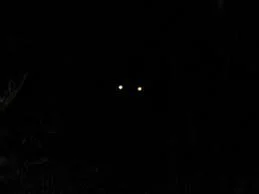
N A V A J O
A feature Presentation by Adam Brown & Taylor Sharkey
What is it?
-
In the dying days of the Old West, a disgraced Navajo tracker must escort a young boy across the frontier - as a cosmic apocalypse consumes the world around them.
-
Karaya, the chieftain’s daughter, is cast out when she forms a relationship with a wasicu - a white settler .
Excommunicated by her Elders, she tracks him down to start anew . Instead, she discovers a bitter truth: he has another family and she is one of many women deceived by him. She kills him in retribution.
Captured and sentenced to hang, Karaya is dragged to the gallows.
As the rope tightens around her neck - the sky splits open. Something detonates beyond the clouds. The world shudders.
Cut down as she draws her last breaths, Karaya escapes, followed by the wasicu’s young slave boy .
Unable to speak the same language, the two flee south, towards the Mexican border.
The land has grown dark and vicious. Settlements fall. Survivors feast on each other . Something hunts in the dark. As they push further south, the world continues to fragment.
To survive, Karaya must lead the boy to his people beyond the border, before the darkness consuming the world finds them first.
-
A grounded western that collapses into a horror odyssey .
The story unfolds as a relentless journey south. A survival tale across a dying frontier .
The two main characters share no common language.
No translation and no understanding. Only action, instinct, and survival.
Dialogue is minimal and primarily comes from The Cosmic Threat, an enchantress to its victims.
Meaning is visual.
The film is driven by movement, distance, pursuit, and the constant threat of what follows behind them.
Each step forward leads deeper into a world that is shifting, breaking, and no longer bound by natural law .
It is simple in structure but escalating in terror.
-
The horror is physical and immediate and is driven by a clear concept: you cannot trust what is human.
The creatures are not abstract or distant, but exist within the world as tangible, dangerous presences. Some operating as fast, relentless predators, others more insidious, observing and learning, able to mimic human behaviour and move undetected through settlements.
Their design draws from fragmented Navajo and Souhtern folklore. Figures reminiscent of skinwalkers and wendigos are reinterpreted through an unsettling, physical lens, combining transformation-driven body horror with organic, distorted aesthetics to create something that feels both familiar and fundamentally wrong.
Structurally , the film moves between sustained tension, and larger, cinematic sequences in which environments become hostile and unpredictable. Settlements, camps, and open land shift from safety to threat without warning - forcing Karaya and the boy to navigate, hide, and adapt in real time.
While the horror remains grounded and often brutal, it also embraces moments of heightened intensity, delivering visceral set pieces that lean into movement, tension, and release - creating a film that is as gripping and cinematic as it is unsettling.
-
This is a western reframed through a different lens.
A female-led survival story where colonial violence, identity , and folklore intersect.
Elevated horror continues to perform globally, and the western is re-emerging, but rarely through Indigenous or female POV, and almost never through the language of horror .
As Irish filmmakers, we are drawn to stories shaped by land, history , and inherited trauma. There are clear parallels in how folklore, colonial legacy , and cultural identity intertwine, and this informs how we approach both the horror and the world.
The concept is simple, scalable, and globally accessible.
Two characters who cannot understand each other , forced to survive in a world where identity itself is unstable, minimal dialogue and visual storytelling give the film international reach.
At its core, it speaks to something universal.
Trust, survival, and the fear of losing who you are in a world that is no longer recognisable.
the crew
-
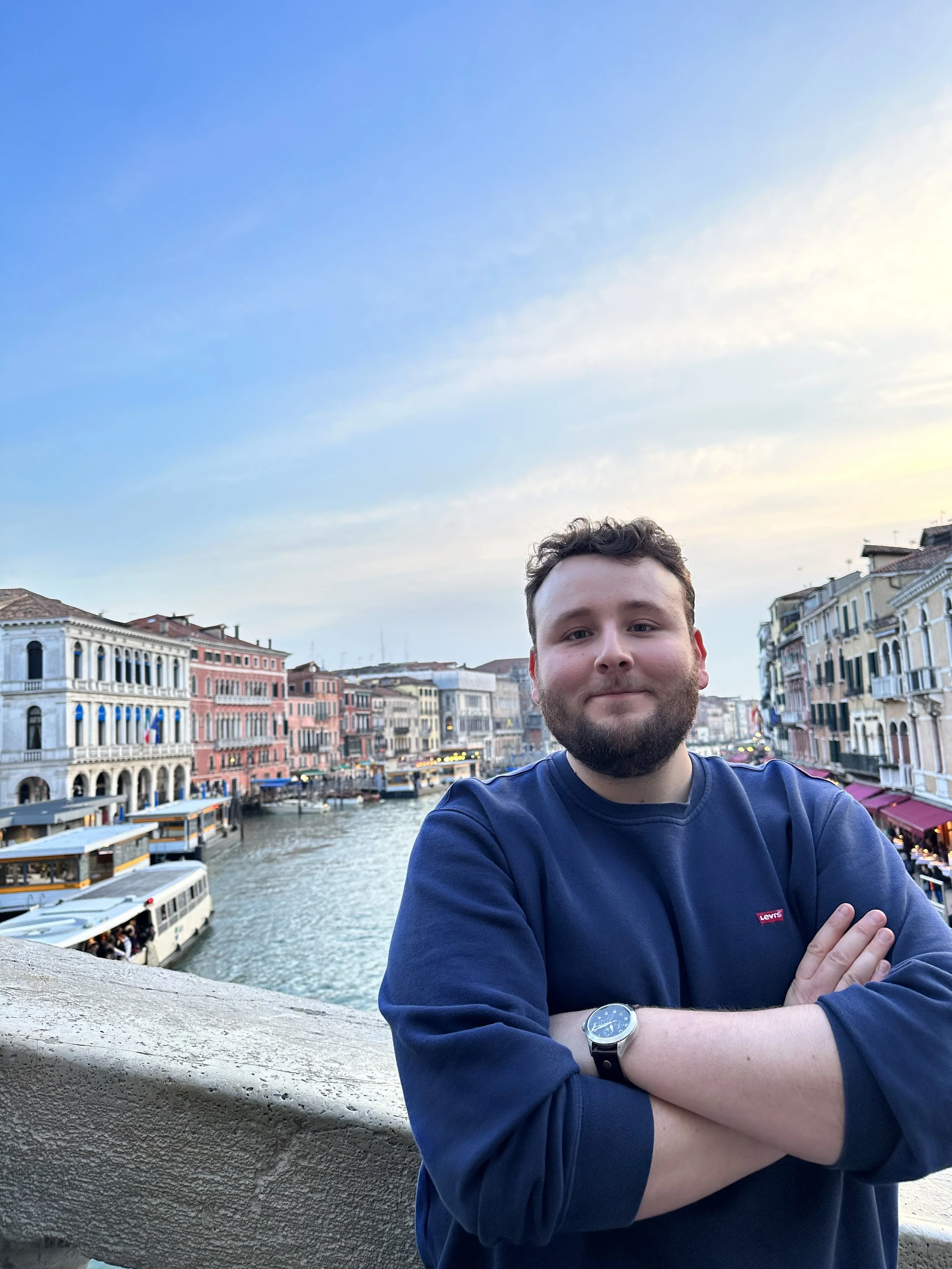
Adam Brown
Written & Created by
-
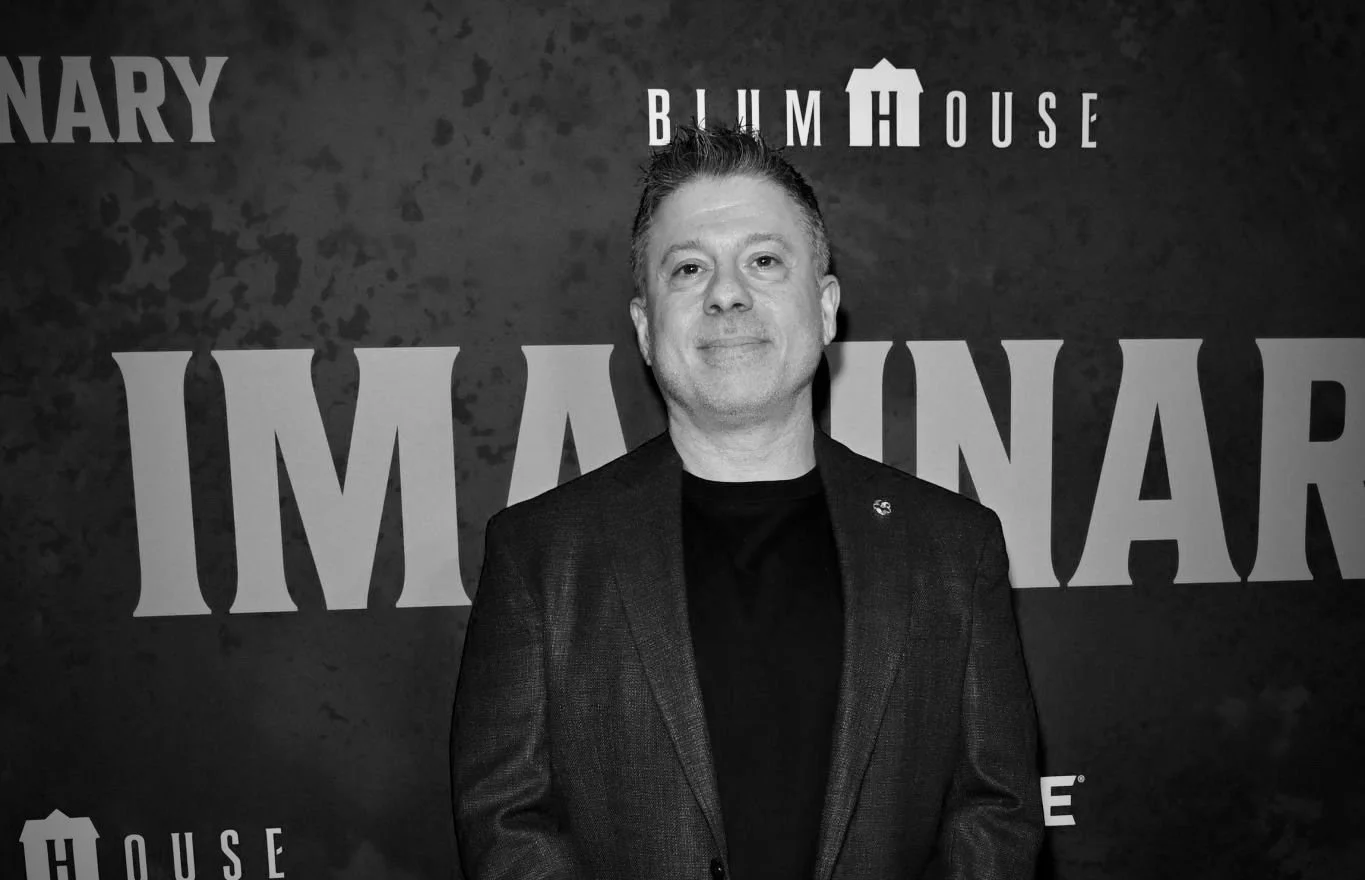
Sean Albertson
Produced & Edited by
-
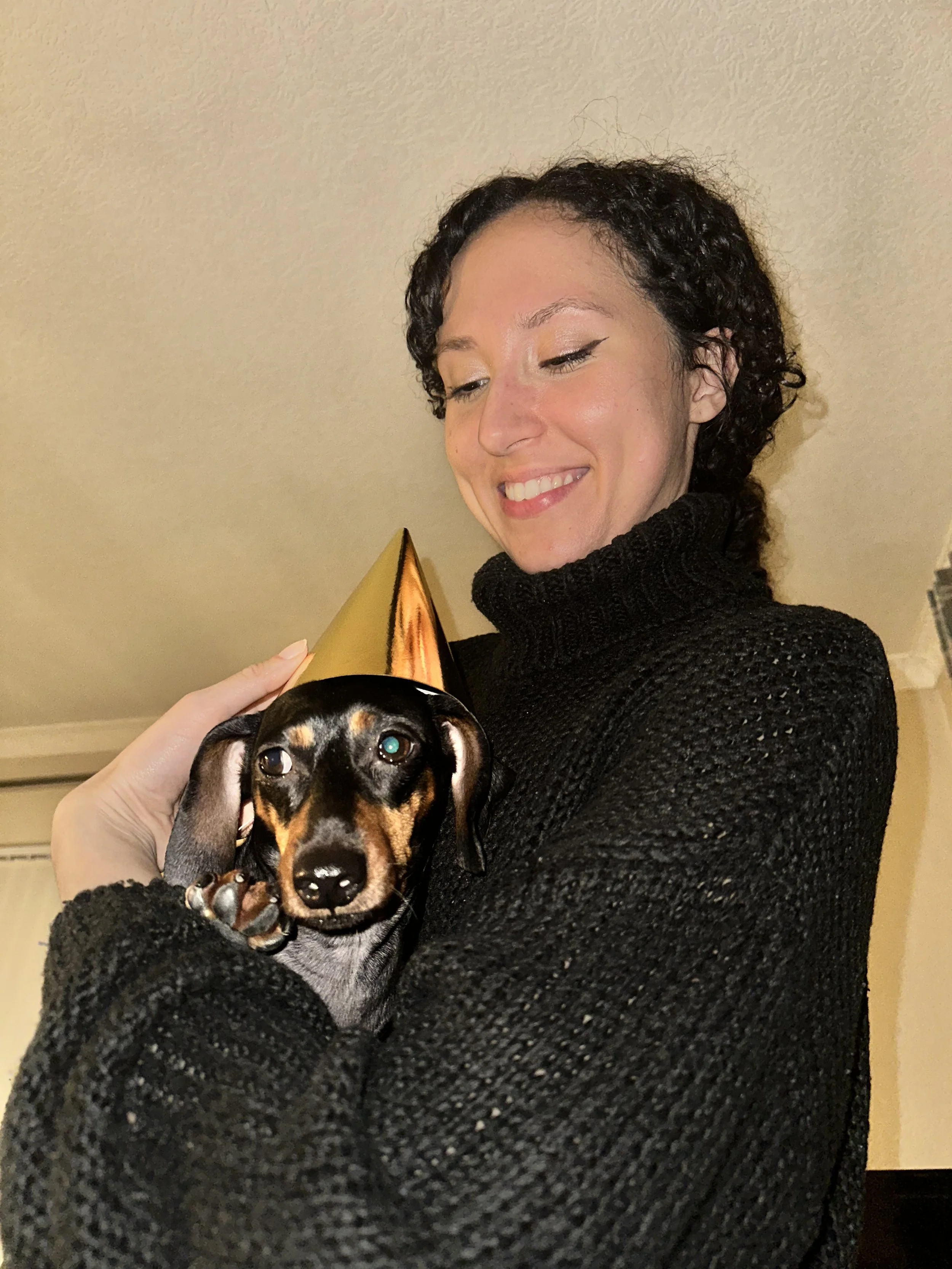
Taylor sharkey
Written & Created by